Car seatsQuestion
Do You Need a New Car Seat After a Crash?
NHTSA says replace a car seat after a moderate or severe crash. Its five-part test for a minor crash, and why the seat's own manual has the final word.
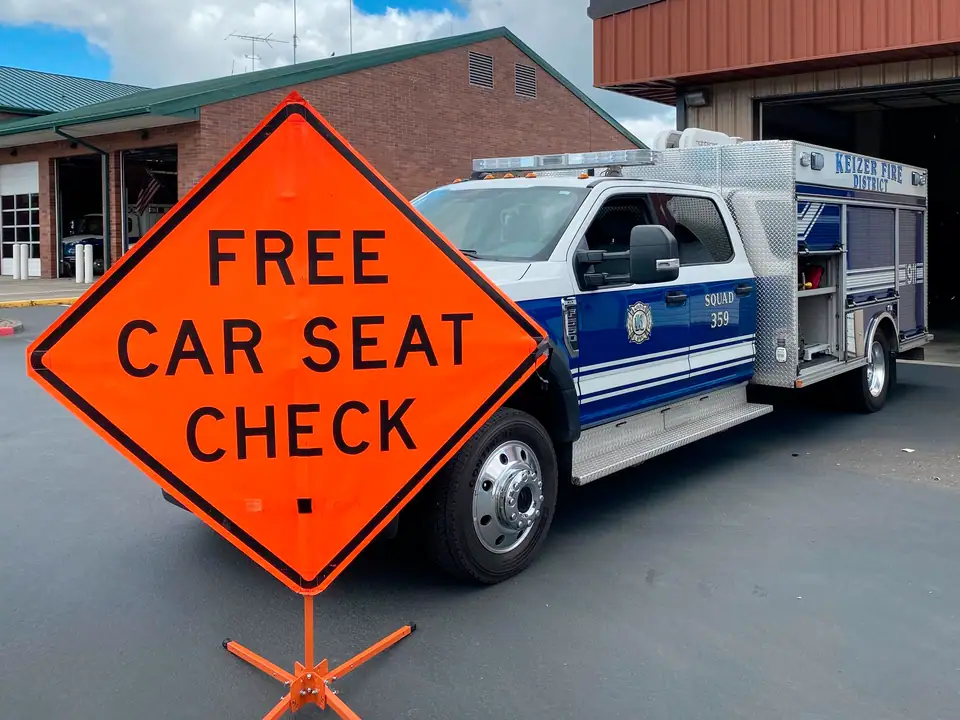
Replace a car seat after any moderate or severe crash, NHTSA says. After a minor crash it does not automatically need replacing, but only if all five of NHTSA’s conditions apply, including no visible damage to the seat and no air bag deployment. If any one fails, or your seat’s manual is stricter, replace the seat.
NHTSA’s answer is short and specific, and it does not depend on whether a child was in the seat at the time. What matters is how serious the crash was and whether the seat shows any damage. The five conditions below are NHTSA’s; go through them with the facts of your crash in front of you, and if you are unsure about any one, treat it as a “no.”
What counts as a minor crash?
NHTSA’s guidance says a minor crash is one in which all of the following apply:
| Condition | Met? |
|---|---|
| The vehicle was able to be driven away from the crash site | Yes or no |
| The vehicle door nearest the car seat was not damaged | Yes or no |
| None of the passengers in the vehicle sustained any injuries in the crash | Yes or no |
| If the vehicle has air bags, the air bags did not deploy during the crash | Yes or no |
| There is no visible damage to the car seat | Yes or no |
One “no” means it was not a minor crash under NHTSA’s definition. NHTSA’s instruction for that case is in capital letters: “NEVER use a car seat that has been involved in a moderate to severe crash.”
What NHTSA recommends, in its words
NHTSA's guidance
“NHTSA recommends that car seats be replaced following a moderate or severe crash in order to ensure a continued high level of crash protection for child passengers. Car seats do not automatically need to be replaced following a minor crash.”
The same page ends: “Always follow manufacturer’s instructions.” Car seat makers can set their own rule in the manual, and where it is stricter than NHTSA’s, the manual applies. Check the manual for a crash section before you decide.
Checking the seat after a minor crash
The fifth condition, no visible damage, means looking the whole seat over before the next trip: the shell, the base, the harness and the buckle. Any damage you can see takes the crash out of the minor category. If the seat was taken out of the car, reinstall it following the seat’s instructions and the vehicle owner’s manual, as NHTSA advises for every installation.
NHTSA’s car seat page says certified technicians at car seat inspection stations will inspect a seat “free of charge, in most cases,” and some offer virtual inspections. An inspection does not replace NHTSA’s crash rule, but it is a good second pair of eyes on the installation.
What happens to the old seat?
A seat from a moderate or severe crash should not be reused or passed on, even if it looks fine. NHTSA’s used car seat checklist starts with “The seat has never been involved in a moderate to severe crash,” so no future owner could safely use it either. Ask the manufacturer how it wants the seat taken out of use.
Check for recalls on the replacement
A new seat is a good moment to set up recall notices: register the seat and look up its model at nhtsa.gov/recalls. If you are replacing a seat with a used one, read used car seats first. More on checking a seat is on the car seat recalls page.
Frequently asked questions
Do I need to replace my car seat after a fender bender?
Not automatically, if it meets all five of NHTSA's minor crash conditions: the car could be driven away, the door nearest the seat was not damaged, nobody was injured, the air bags did not deploy and the seat shows no visible damage. If any one does not apply, NHTSA says replace the seat.
Can I use a car seat that was in a crash if my child was not in it?
NHTSA's minor crash test is about the crash and the seat, not whether a child was riding in it. If the crash was moderate or severe, NHTSA says never to use that seat again.
What if my car seat manual says something different?
NHTSA's guidance ends with 'Always follow manufacturer's instructions.' If the manual sets a stricter rule, such as replacing the seat after any crash, follow the manual.
Can I sell or donate a car seat that was in a crash?
Do not pass on a seat from a moderate or severe crash. NHTSA's used car seat checklist says a second-hand seat should never have been in a moderate to severe crash, so the next family could not use it safely either.
Sources
- Car Seat Use After a CrashNational Highway Traffic Safety Administration
- Used Car Seat Safety ChecklistNational Highway Traffic Safety Administration
- Car Seats and Booster SeatsNational Highway Traffic Safety Administration
- Check for Recalls: Vehicle, Car Seat, Tire, EquipmentNational Highway Traffic Safety Administration
Filed under Car seatsStart with Car Seat Recalls: How to Check Yours and What to Do
Read next
Car seatsOverview
Car Seat Recalls: How to Check Yours and What to Do
Car seat recalls come from NHTSA, not CPSC. How to look up your seat's model number, read a recall, register for notices and get the free remedy.
Photo: Oregon Department of Transportation / Wikimedia Commons, CC BY 2.0
Car seatsHow to
How to Register a Car Seat for Recall Notices
Mail the card that came with your car seat or register on the maker's site, then add NHTSA's recall emails or SaferCar app so a recall reaches you.
Car seatsQuestion
Is a Used Car Seat Safe? NHTSA's Five Checks
A second-hand car seat may be okay only if it passes all five of NHTSA's checks: crash history, labels, recalls, parts and manual. How to check each one.