Recall basicsOverview
How Baby Product Recalls Work in the U.S.
Who recalls cribs, car seats and formula, what a recall notice tells you, what a Recall Alert is, and where to check a baby product before you use it.

A baby product is recalled when the company, working with a federal agency, announces a safety problem and offers a remedy. The Consumer Product Safety Commission covers cribs, strollers and most baby gear, NHTSA covers car seats, and the FDA covers formula and baby food. The notice tells you what to do, which usually starts with stopping use.
Recalls are public and free to search. Every one names the product, describes the hazard and says what owners should do. The work for a parent is knowing which agency to check and how to match a product to a notice.
Which agency covers which baby product?
Three federal agencies publish the recalls that matter for babies. CPSC’s own recall handbook notes that it has no jurisdiction over foods, drugs, medical devices or motor vehicles, which is why car seats and formula sit with other agencies.
| Product | Agency | Where to check |
|---|---|---|
| Cribs, bassinets, play yards, strollers, swings, high chairs, carriers, gates, toys, dressers | Consumer Product Safety Commission (CPSC) | cpsc.gov/Recalls |
| Car seats and booster seats | National Highway Traffic Safety Administration (NHTSA) | nhtsa.gov/recalls, Car Seat tab |
| Infant formula and baby food | Food and Drug Administration (FDA) | FDA recalls list |
A travel system can fall under both: the stroller under CPSC and the infant car seat under NHTSA. Check each part with its own agency.
What does a recall notice tell you?
CPSC’s recall handbook gives companies a fixed layout for a recall notice. The parts you will see on almost every one:
- Name of product and a description, often with model numbers, item codes or a date range of manufacture.
- Hazard: what can go wrong, in the agency’s words.
- Remedy: the handbook asks companies to use three broad words, refund, repair or replacement.
- Consumer contact: the company’s phone number and recall web page.
- Units: roughly how many were sold.
The remedy line in a CPSC notice usually begins with the instruction to stop using the product. The handbook’s template reads “Consumers should immediately stop using the recalled” product and contact the firm. What to do with a recalled product walks through that step by step, and recall remedies explains each of the three remedy types.
Recall, Recall Alert or warning?
Three labels you may see
A recall is announced with a press release. A Recall Alert is used when the company can contact every buyer directly: CPSC requires the firm to provide its list of end users and confirm it reached them. A product safety warning is CPSC telling consumers to stop using a product; CPSC lists these separately from recalls.
If you bought something online or registered it, a Recall Alert may reach you by email or mail before you see it anywhere else. That is one reason to register baby products for recall alerts.
How does a recall get started?
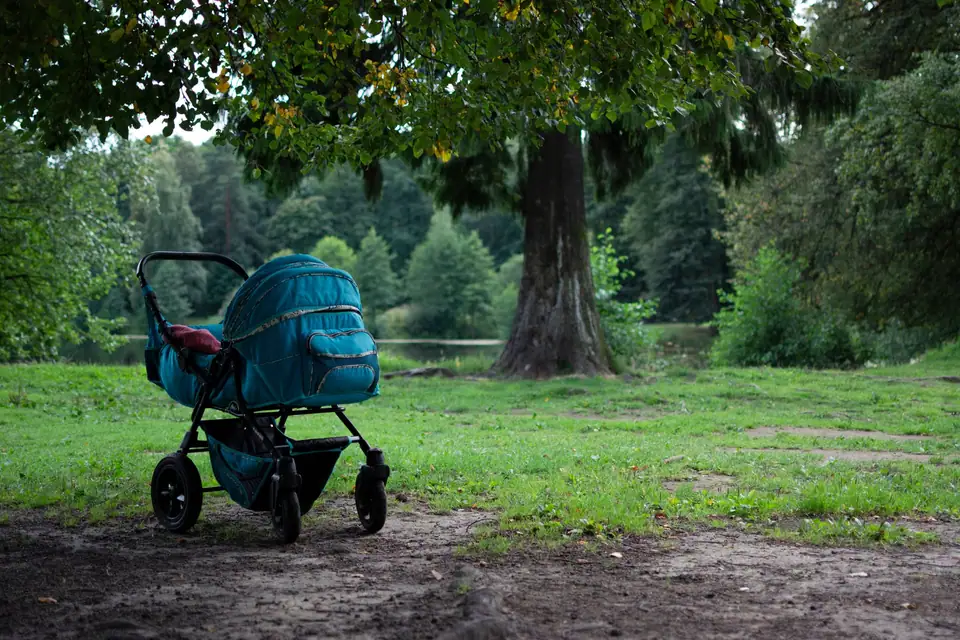
Many recalls begin with reports from parents. SaferProducts.gov collects reports about unsafe consumer products, and CPSC says each one is reviewed by its staff and could contribute to a decision to seek a recall. NHTSA describes the same path for car seats: complaints, then screening and investigation, then a recall.
Companies also start recalls themselves. NHTSA notes that most decisions to recall and remedy a safety defect “are made voluntarily by manufacturers prior to any involvement by NHTSA.”
Either way, the public announcement comes once the company and the agency agree on the remedy. CPSC’s handbook calls a corrective action a “recall” when it “requires public announcement and a remedy offered to affected consumers.” That is why a notice always pairs the hazard with something you can do about it, and why a problem you report may not appear as a recall right away. If a baby product hurt your child or nearly did, report it anyway: what to do with a recalled product explains where.
Why baby gear carries a model number and a registration card
Federal rules treat cribs, high chairs, strollers, swings, play yards, carriers, bassinets and similar items as “durable infant or toddler products.” Under 16 CFR Part 1130, each one must be permanently marked with the maker’s name and contact details, the model name and number and the date of manufacture. Each one must also come with a postage-paid registration card that the company may use only for recalls and safety alerts.
Car seats have their own registration program under NHTSA. Both make a recall check possible years later, as long as the label is still on the product. Where to find the model number shows where these labels usually sit.
Guides in this section
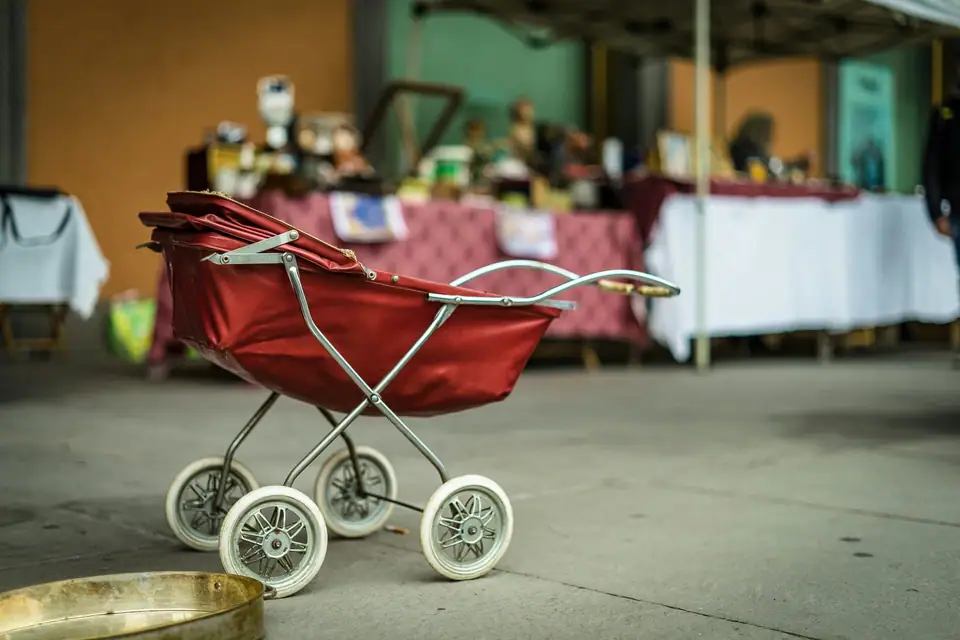
 Find the model numberPhoto: ajay_suresh / Wikimedia Commons, CC BY 2.0
How often are baby products recalled?
We counted CPSC’s own recall records for 2016 through 2025. Of 2,926 recalls in those ten years, 165 named a crib, bassinet, stroller, swing, high chair, carrier or another nursery product. Strollers led with 28, then high chairs with 20. The full method and tables are on baby product recalls by the numbers.
Recalls of nursery products rose sharply in the last three years of that period, from 21 in 2023 to 26 in 2024 and 46 in 2025. Before you bring home anything secondhand, read buying used baby gear. For car seats, start at the car seat recalls section, and for cribs and bassinets, at sleep product recalls.
Frequently asked questions
Who announces baby product recalls?
The company and the federal agency that covers the product. The Consumer Product Safety Commission (CPSC) covers cribs, strollers, swings and most baby gear. NHTSA covers car seats and booster seats. The FDA covers infant formula and baby food.
Is a recalled baby product always unsafe to keep using?
Treat it as unsafe until you have read the notice. Most CPSC notices tell owners to stop using the product right away and contact the company. Some remedies, such as a repair kit, make the product usable again once the fix is applied.
What is the difference between a recall and a CPSC warning?
In a recall, the company offers a remedy such as a refund, repair or replacement. CPSC also publishes product safety warnings that tell consumers to stop using a product, which it lists separately from recalls on its site.
Does a recall expire?
The hazard does not go away with time, and CPSC recall notices from many years back are still on cpsc.gov. If you find an old product on a list, read the notice and contact the company named in it to ask whether the remedy is still available.
Sources
- Recalls & Product Safety WarningsU.S. Consumer Product Safety Commission
- Product Safety Planning, Reporting, and Recall Handbook (revised August 2021)U.S. Consumer Product Safety Commission staff
- Recall Notification TypesU.S. Consumer Product Safety Commission
- Check for Recalls: Vehicle, Car Seat, Tire, EquipmentNational Highway Traffic Safety Administration
- Recalls, Market Withdrawals, & Safety AlertsU.S. Food and Drug Administration
- 16 CFR Part 1130: Requirements for Consumer Registration of Durable Infant or Toddler ProductsElectronic Code of Federal Regulations
- Safe Sleep: Cribs and Infant ProductsU.S. Consumer Product Safety Commission
- SaferProducts.govU.S. Consumer Product Safety Commission
Filed under Recall basics
Read next
Recall basicsGuide
Baby Product Recalls by the Numbers, 2016 to 2025
Our count of CPSC nursery product recalls and NHTSA car seat recalls from 2016 to 2025: by year, product type, hazard and remedy, with the method.
Recall basicsGuide
Buying Used Baby Gear: How to Check It for Recalls
Check secondhand cribs, strollers and other baby gear against the recall lists, skip cribs made before June 28, 2011, and know which items to pass on.
Recall basicsHow to
How to Check if a Baby Product Is Recalled
Find the label, search CPSC, NHTSA or the FDA, and match your model number and date code to the official recall notice, step by step.