Car seatsOverview
Car Seat Recalls: How to Check Yours and What to Do
Car seat recalls come from NHTSA, not CPSC. How to look up your seat's model number, read a recall, register for notices and get the free remedy.
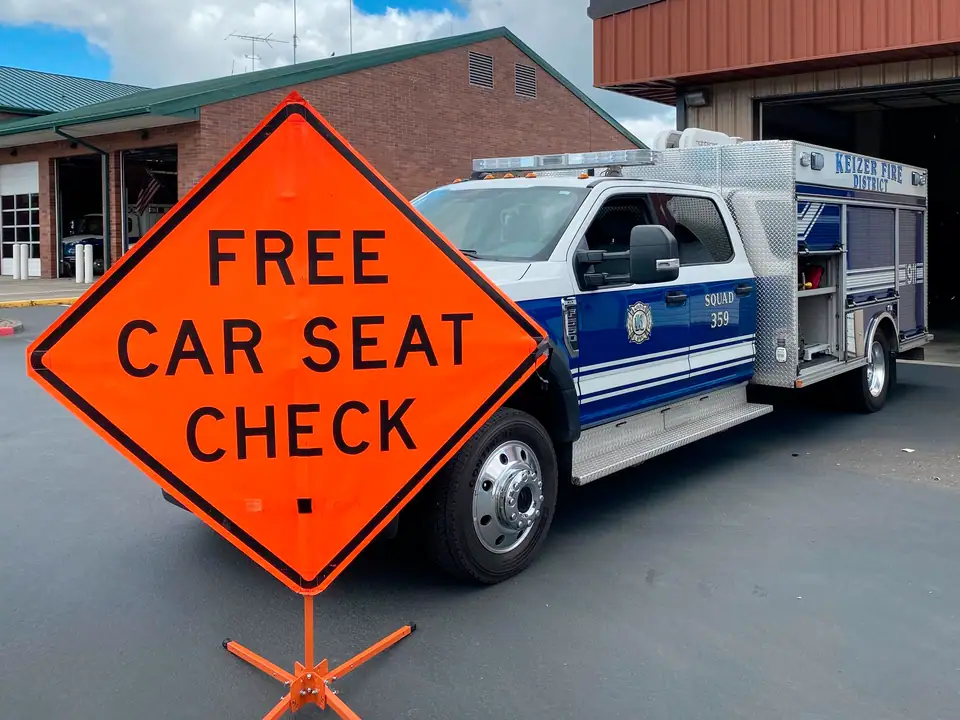
Car seat recalls are run by NHTSA, not CPSC. To check yours, find the model number and date of manufacture on the seat’s labels and search the Car Seat tab at nhtsa.gov/recalls. If your seat is listed, follow the maker’s instructions and claim the free remedy. Register the seat so the maker can reach you directly next time.
Car seats are the one piece of baby gear where the agency, the search and the registration all differ from cribs and strollers.
How do you check a car seat for recalls?
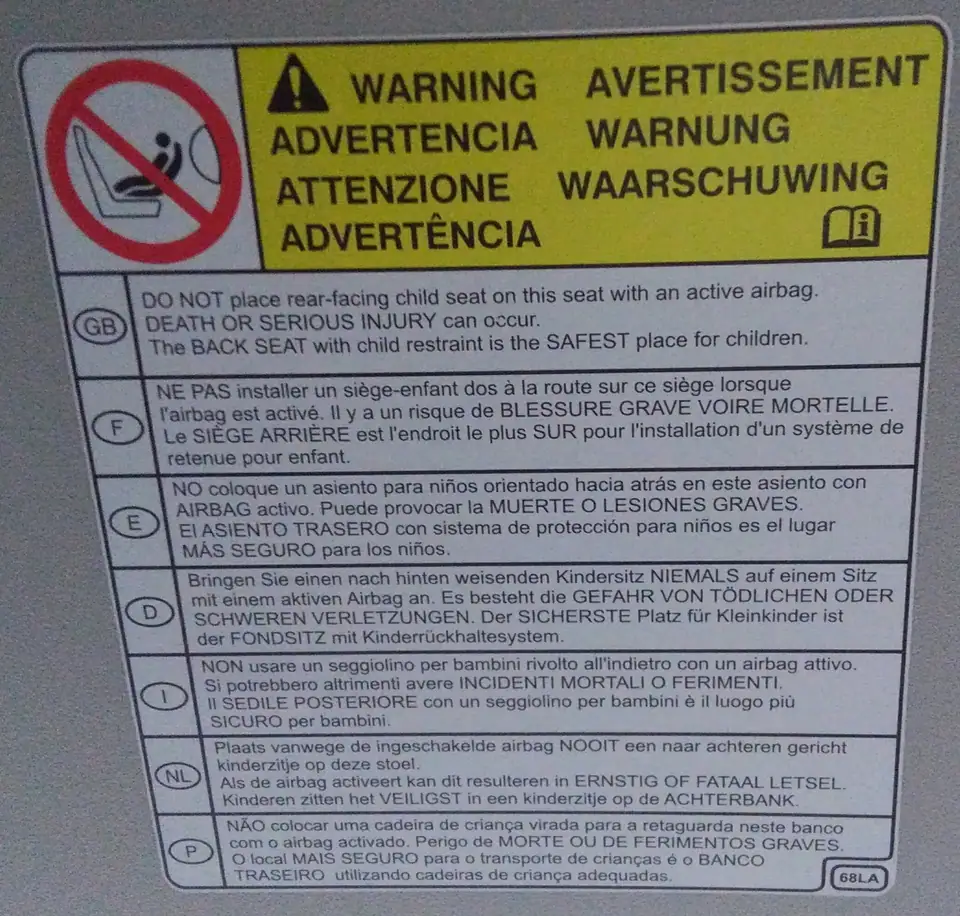
- Find the labels. NHTSA’s used seat checklist says a seat should have “labels stating date of manufacture and model number,” and that you need them “to find out if there is a recall on the car seat or if the seat is too old.”
- Search NHTSA. Go to nhtsa.gov/recalls and choose the Car Seat tab. For car seats, NHTSA says you will get “general results for recalls, investigations, complaints and manufacturer communications.”
- Match the model and dates. A campaign lists the affected model numbers and often a date range of manufacture.
- Call the maker if your seat is listed. NHTSA’s vehicle safety hotline, 888-327-4236, can help too.
What to do with a recalled product covers the next steps, including NHTSA’s advice to “follow any interim safety guidance provided by the manufacturer.”
Recent car seat recalls, as NHTSA describes them
The six most recent child seat campaigns in NHTSA’s recall data for 2025, with the consequence and remedy in NHTSA’s words:
| Report date | Seat | Consequence | Remedy |
|---|---|---|---|
| Dec. 24, 2025 | Evenflo All4One (campaign 25C011000) | A child seat that does not maintain proper recline position may not adequately secure a child in a crash, increasing the risk of injury. Additionally, should another passenger put their hand in the recline mechanism when it shifts out of position, their risk of injury is increased. | Evenflo will replace the child seat, free of charge. |
| Sept. 25, 2025 | Evenflo Revolve360 Slim and Gold Revolve360 Slim (25C010000) | Pieces of foam can present a choking hazard to a child, increasing the risk of injury. | Evenflo will mail owners additional tape seal and installation instructions, free of charge. |
| June 18, 2025 | Evenflo Titan 65 (25C008000) | A child seat with an incorrect instruction manual may result in improper installation and an improperly restrained child, which can increase the risk of injury in a crash. | Evenflo will mail owners information on how to inspect and replace the instruction manual, free of charge. |
| April 22, 2025 | Safety 1st Grow & Go Sprint (25C006000) | Pieces of foam can present a choking hazard to a child, increasing the risk of injury. | Dorel will mail a replacement headrest pad assembly kit, free of charge. |
| April 9, 2025 | Chicco MyFit (25C005000) | A child seat that fails to properly restrain a child increases the risk of injury in a crash. | Chicco will mail owners a remedy kit and installation instructions, free of charge. |
| March 12, 2025 | Safety 1st Boost & Go, Comfort Ride, Boost & Go Essential; Disney Baby MagicSquad (25C004000) | An incorrect label may result in an improperly restrained child, increasing the risk of injury in a crash. | Dorel will mail owners a new label, free of charge. |
Each campaign covers specific model numbers and dates, so check your seat’s label against the full campaign on NHTSA’s site, not against the name alone. This list is a snapshot from NHTSA’s data, not a live feed.
What do car seat recalls usually fix?
Many car seat recalls are about paperwork and labels, not a broken seat. In our count of 41 NHTSA child seat campaigns from 2016 to 2025, the remedy most often named a replacement part or remedy kit (22 campaigns) or a new label, manual or registration card (20). A replacement seat was named in 5. Twenty-six of the 41 summaries cite Federal Motor Vehicle Safety Standard 213, the federal standard for child restraint systems. The full table is on recalls by the numbers.
That matters because a label or manual error can lead to a seat being installed or used the wrong way. Read the letter, apply the fix, and check the installation again.
How often should you check?
NHTSA’s advice is to “register your vehicle, tires, car seats & equipment and check recalls twice a year.” A registered seat should bring a recall letter to you, but a twice-yearly look at NHTSA’s Car Seat search also catches campaigns announced before you registered, and it is a good moment to confirm the seat still fits your child’s height and weight limits from the manual. Pick two dates that are easy to remember, such as the clock changes in spring and fall.
Travel systems: two agencies
A travel system pairs a stroller with an infant car seat. The car seat part belongs to NHTSA; the stroller belongs to CPSC. CPSC’s registration rule for baby gear does not apply to travel systems sold with a car seat covered by NHTSA’s registration program, so register the seat with its maker and check the stroller at stroller recalls.
Car seat guides
 After a crashPhoto: Oregon Department of Transportation / Wikimedia Commons, CC BY 2.0
Read how to register a car seat so the maker can mail you a recall notice, car seat after a crash for NHTSA’s definition of a minor crash, and used car seats before accepting a hand-me-down. NHTSA also lists car seat inspection stations, where certified technicians check a seat’s installation free of charge in most cases.
Frequently asked questions
How do I know if my car seat is recalled?
Find the model number and date of manufacture on the seat's labels, then search NHTSA's recall site at nhtsa.gov/recalls using the Car Seat tab. NHTSA's results include recalls, investigations, complaints and manufacturer communications for that seat.
Should I stop using a recalled car seat?
Follow the recall notice and the maker's letter. NHTSA tells owners to follow any interim safety guidance the manufacturer provides until the remedy arrives. Many car seat recalls are fixed with a part, label or new manual.
Does CPSC handle car seat recalls?
No. Car seats and booster seats are covered by NHTSA. CPSC's registration rule for baby gear specifically excludes car seats covered by NHTSA's own registration program, and travel systems sold with such a seat.
Is the car seat recall remedy free?
Yes. NHTSA says it monitors each safety recall to make sure owners receive safe, free and effective remedies from manufacturers.
Sources
- Check for Recalls: Vehicle, Car Seat, Tire, EquipmentNational Highway Traffic Safety Administration
- Car Seats and Booster SeatsNational Highway Traffic Safety Administration
- Used Car Seat Safety ChecklistNational Highway Traffic Safety Administration
- NHTSA recalls API, child seat campaigns 25C004000 to 25C011000, retrieved October 5, 2026National Highway Traffic Safety Administration
- 16 CFR 1130.1(b): scope of CPSC product registrationElectronic Code of Federal Regulations
Filed under Car seats
Read next
Car seatsQuestion
Do You Need a New Car Seat After a Crash?
NHTSA says replace a car seat after a moderate or severe crash. Its five-part test for a minor crash, and why the seat's own manual has the final word.
Photo: Oregon Department of Transportation / Wikimedia Commons, CC BY 2.0Car seatsHow to
How to Register a Car Seat for Recall Notices
Mail the card that came with your car seat or register on the maker's site, then add NHTSA's recall emails or SaferCar app so a recall reaches you.
Car seatsQuestion
Is a Used Car Seat Safe? NHTSA's Five Checks
A second-hand car seat may be okay only if it passes all five of NHTSA's checks: crash history, labels, recalls, parts and manual. How to check each one.