SleepOverview
Baby Sleep Product Recalls: Cribs, Bassinets and Sleepers
Which baby sleep products have federal safety rules, which are banned, how often cribs, bassinets and sleepers were recalled, and how to check yours.
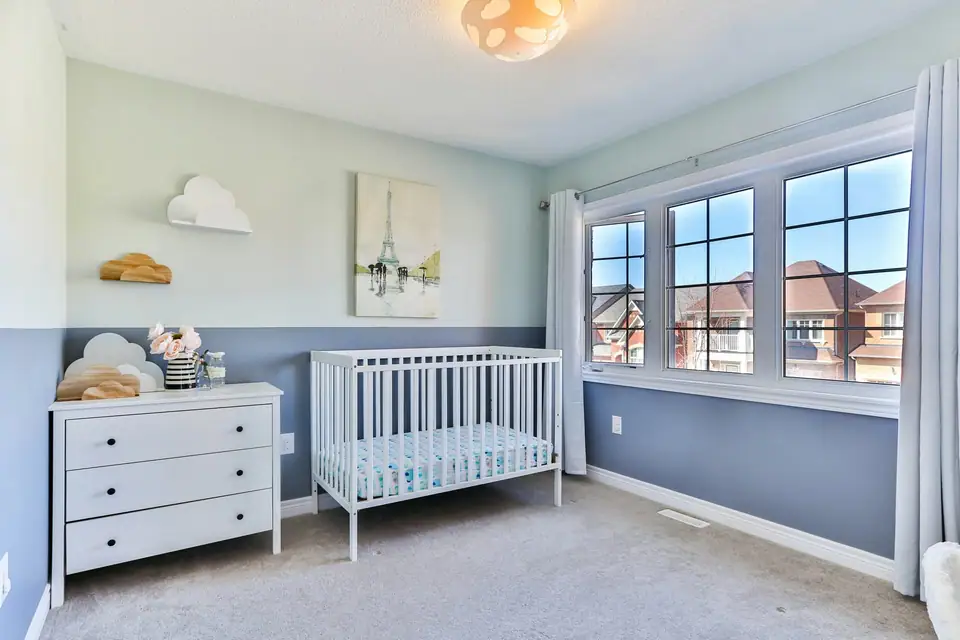
Cribs, bassinets, play yards and bedside sleepers must meet federal safety standards, and any other product sold for infant sleep must meet the bassinet standard with a surface no steeper than 10 degrees. Inclined sleepers and crib bumpers have been banned since November 12, 2022. Check a sleep product against cpsc.gov/Recalls, and keep only a fitted sheet in it.
Sleep products get the strictest rules in baby gear because babies spend so many hours in them unwatched.
Which sleep products have federal rules?
| Product | Federal rule |
|---|---|
| Full-size and non-full-size cribs | 16 CFR parts 1219 and 1220, mandatory since June 28, 2011 for new and used cribs |
| Bassinets and cradles | 16 CFR part 1218 |
| Play yards | 16 CFR part 1221 |
| Bedside sleepers | 16 CFR part 1222 |
| Other products for infant sleep up to 5 months (in-bed sleepers, baby boxes, travel bassinets, baby nests) | 16 CFR part 1236: must meet the bassinet standard and have no sleep surface angle above 10 degrees |
| Inclined sleepers for infants, crib bumpers | Banned since November 12, 2022 (Safe Sleep for Babies Act) |
The infant sleep product rule closes a gap. CPSC says that if a product’s name implies it is for infant sleep, using words like “bed,” “bassinet” or “crib,” and it is not covered by one of the other standards, it falls under part 1236.
What does CPSC say to use for sleep?
CPSC’s safe sleep “dos and don’ts” come down to a few rules:
- Use cribs, bassinets, play yards and bedside sleepers that meet federal requirements.
- “Bare is Best”: nothing but a fitted sheet in the sleep space.
- Always place the baby on their back.
- Move a baby who falls asleep elsewhere to their crib, bassinet, play yard or bedside sleeper.
- No pillows, blankets, weighted blankets or weighted swaddles.
CPSC explains why: many young babies “cannot lift their heads to pull away from soft objects,” and “a seated or semi-reclined position can cause your baby’s head to tip forward and their airway to be blocked.” Safe sleep basics covers the full guidance, including NIH’s Safe to Sleep campaign.
How often are sleep products recalled?
In our count of CPSC recall records from 2016 through 2025, sleep-related products made up a large share of nursery recalls: 18 inclined sleepers and infant rockers, 16 infant loungers and nursing pillows, 13 crib and play yard mattresses, 9 crib bumpers, 7 cribs and toddler beds, 6 bassinets and cradles and 2 play yards.
Many of the later ones were products that broke a rule outright, such as bumpers sold after the ban.
The method is on recalls by the numbers.
Loungers and add-on mattresses
Two kinds of product account for much of the recent rise. The first is the infant lounger. The largest lounger recall in our count is The Boppy Company’s September 23, 2021 recall of about 3.3 million Boppy Original Newborn Loungers, Boppy Preferred Newborn Loungers and Pottery Barn Kids Boppy Newborn Loungers. Its hazard statement reads: “Infants can suffocate if they roll, move, or are placed on the lounger in a position that obstructs breathing, or roll off the lounger onto an external surface, such as an adult pillow or soft bedding that obstructs breathing.” The remedy was a refund. From 2023 through 2025, a long run of further lounger recalls named suffocation, fall and entrapment hazards and said the products violated federal rules.
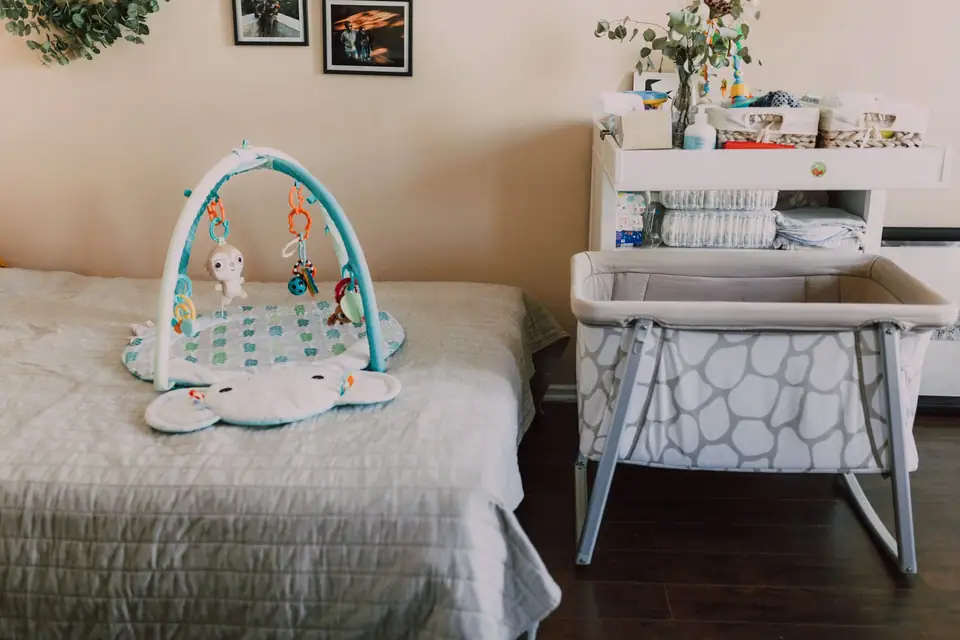
The second is the extra mattress sold separately for a play yard or crib. We counted 13 crib and play yard mattress recalls from 2016 to 2025, 12 of them from 2021 on. CPSC’s March 28, 2024 notice for Forias Pack and Play mattresses is typical: the mattress “violates multiple provisions of the Safety Standard for Crib Mattresses, including the thickness test,” and “poses a suffocation hazard to infants.” An add-on mattress needs its own recall check, separate from the play yard or crib it goes in, and the notices in this group were nearly all refund-only.
Old cribs and hand-me-downs
CPSC says the 2011 crib standards apply retroactively to new and used cribs, and that cribs made or sold before June 28, 2011 are “very likely noncompliant, unsafe, and illegal to sell,” with wider gaps between slats and “dangerous drop-side mechanisms.” A hand-me-down crib needs its date label checked before anything else. Crib recalls explains how.
CPSC also lists infant sleep products and baby loungers first among the recalled products it most often finds being resold online.
The check itself is the same for every sleep product. Find the label with the maker, model number and date of manufacture, which federal rules require on cribs, bassinets, play yards, bedside sleepers and crib mattresses alike. Search the brand and product type at cpsc.gov/Recalls, open every notice that could match, and compare the numbers. If the product is not covered by any of the sleep standards in the table above, or is marketed for sleep at an angle, do not use it for sleep at all.
Sleep product guides
Read crib recalls for the 2011 standards and recent crib notices, bassinet recalls for bassinets, cradles and travel bassinets, the inclined sleeper ban for the Rock ’n Play and similar products, and safe sleep basics for how to set up the sleep space. To check any of them, see how to check a baby product for a recall.
Frequently asked questions
Which baby sleep products are safe to use?
CPSC says to use products intended for sleep, such as cribs, bassinets, play yards and bedside sleepers, that meet federal requirements, with nothing in them but a fitted sheet. Check the model against cpsc.gov/Recalls before use.
Are baby loungers and nests safe for sleep?
They are not sleep products. Since June 23, 2022, any product marketed for infant sleep up to 5 months that is not a crib, bassinet, play yard or bedside sleeper must meet the bassinet standard, and CPSC names baby nests among them. Loungers were recalled 16 times from 2016 to 2025 in CPSC's records.
Is it safe to let my baby sleep in a swing or rocker?
No. CPSC says inclined products with an angle greater than 10 degrees, such as rockers, gliders, soothers and swings, should never be used for infant sleep. If your baby falls asleep in one, move them to a crib, bassinet, play yard or bedside sleeper.
Are crib bumpers legal?
No. Under the Safe Sleep for Babies Act, crib bumpers have been banned hazardous products since November 12, 2022, and it is unlawful to sell them, whatever their age. The ban covers padded bumpers, vinyl bumper guards and vertical slat covers, but not non-padded mesh crib liners.
Sources
- Safe Sleep: Cribs and Infant ProductsU.S. Consumer Product Safety Commission
- Safe Sleep for Babies Act Business GuidanceU.S. Consumer Product Safety Commission
- Infant Sleep Products Business GuidanceU.S. Consumer Product Safety Commission
- Stopping the Online Sale of Recalled ProductsU.S. Consumer Product Safety Commission
- Ways To Reduce Baby's RiskSafe to Sleep campaign, NICHD, National Institutes of Health
- The Boppy Company Recalls Over 3 Million Newborn Loungers (September 23, 2021)U.S. Consumer Product Safety Commission
- Forias Pack and Play Mattresses Recalled (March 28, 2024)U.S. Consumer Product Safety Commission
- CPSC Recall API, recalls dated 2016 to 2025, retrieved October 5, 2026U.S. Consumer Product Safety Commission
Filed under Sleep
Read next
SleepHow to check
Bassinet Recalls: How to Check a Bassinet or Travel Bassinet
How to check a bassinet, cradle or bedside sleeper for recalls, the federal rules they must meet, and recent bassinet recalls in CPSC's own words.
SleepHow to check
Crib Recalls: How to Check Your Crib and What Changed in 2011
How to check a crib for recalls, why cribs made before June 28, 2011 fail today's standards, and recent crib and crib bumper recalls in CPSC's words.
SleepGuide
Safe Sleep Basics: What CPSC and Safe to Sleep Recommend
Back to sleep, a firm flat surface, nothing but a fitted sheet and a sleep product that meets federal rules: the official safe sleep basics, with sources.